

Tongue Thrust: Diagnosis and Treatment in Kingwood TX


What Causes Tongue Thrust
Tongue thrust may arise from a combination of hereditary and environmental influences.
Habits formed in early childhood frequently have a significant impact on development. Key influencing factors include:


Types of Tongue Thrust
Various forms of tongue thrust can influence dental health and tooth alignment. The most prevalent form features the tongue pushing forward, which may result in gaps between teeth and a poor bite in the front. Tongue movements that apply pressure to the sides of the bite can contribute to crossbites and irregular dental wear. However all of this can often be corrected with orthodontic treatment. In general, the younger these issues are treated the better. The America Association of Orthodontics recommends children be seen at the age of 7.
Symptoms and Diagnosis
A professional assessment is crucial for the correct identification and treatment of tongue thrusts. Key signs include noticeable gaps between teeth, misaligned bites, and thrusting the tongue forward to swallow.
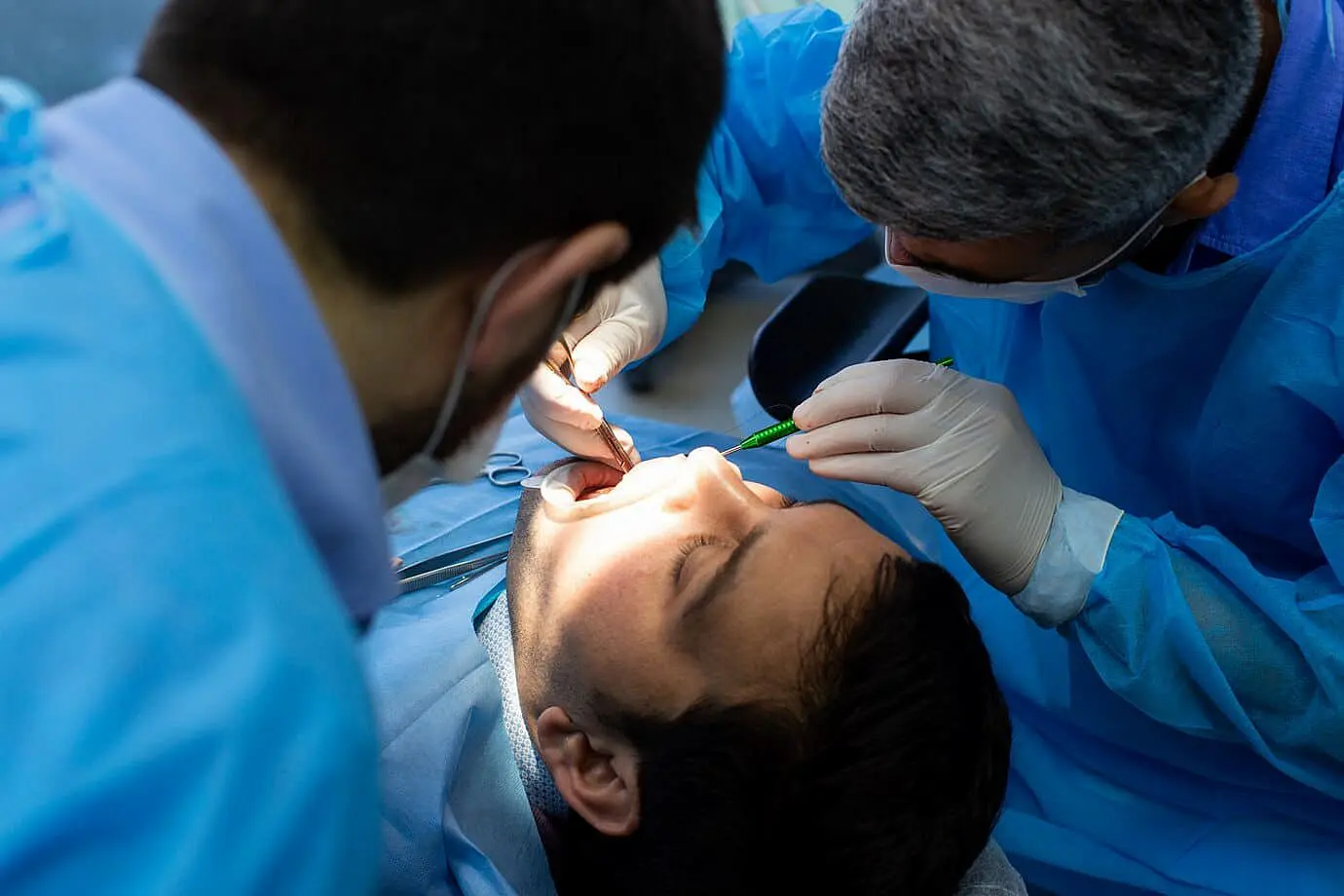

Tongue Thrust in Children
Early intervention is essential for children exhibiting a tongue thrust. A professional assessment by age 7 can help avoid more serious developmental challenges down the line. If untreated, tongue thrust can adversely affect tooth and bone growth and can lead to more severe problems as the problem goes untreated.
Treatment Options for Tongue Thrust
Treatment for tongue thrust involve braces to close gaps and fix the bone and bite. Retraining tongue function and positioning through exercises can also benefit patients. Effective outcomes depend on early detection and treatment.

Myofunctional Therapy for Tongue Thrust