

Mouth Breather: Causes & Treatment Options in Kingwood TX
Causes and Effects of Mouth Breathing

Several factors can lead to mouth breathing
Several factors can lead to mouth breathing. These include seasonal allergies (notably cedar fever), persistent nasal blockage, swollen tonsils, restricted airway, and sleep apnea.
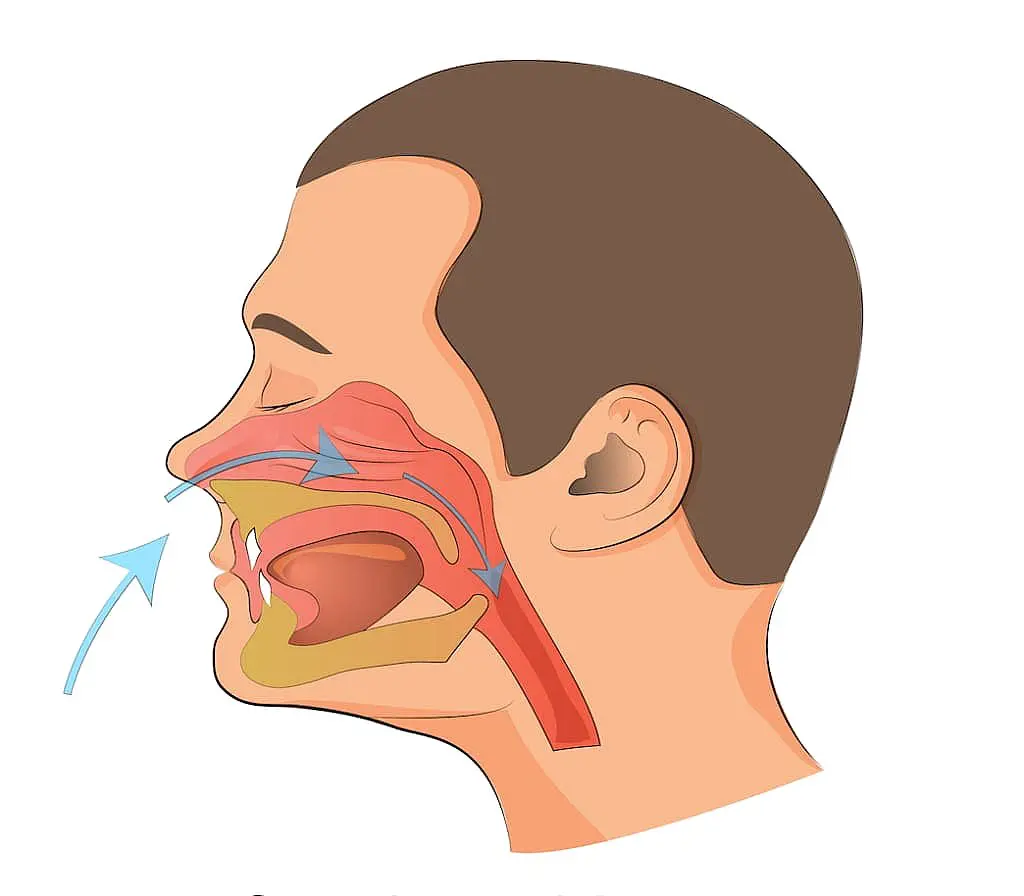
Mouth breathing affects overall health
Our lung health is especially at risk from the impacts of breathing through the mouth. Lacking adequate nasal filtration, some individuals might face higher vulnerability to respiratory illnesses, decreased oxygen intake, and diminished breathing efficiency.

Relationship between mouth breathing and dry mouth
A warm environment can intensify the impact of mouth breathing on saliva production. We often encounter patients dealing with dry mouth (xerostomia), which can result in increased chance of cavities and gum irritation.

Connection between mouth breathing and sleep apnea
Mouth breathing frequently accompanies sleep apnea, adversely affects both sleep quality and overall health. Addressing your mouth breathing and sleep apnea can greatly enhance quality of sleep and quality of life. Poor oxygenation of the blood has a harmful effect of all of the bodies tissues’ including the heart and brain.
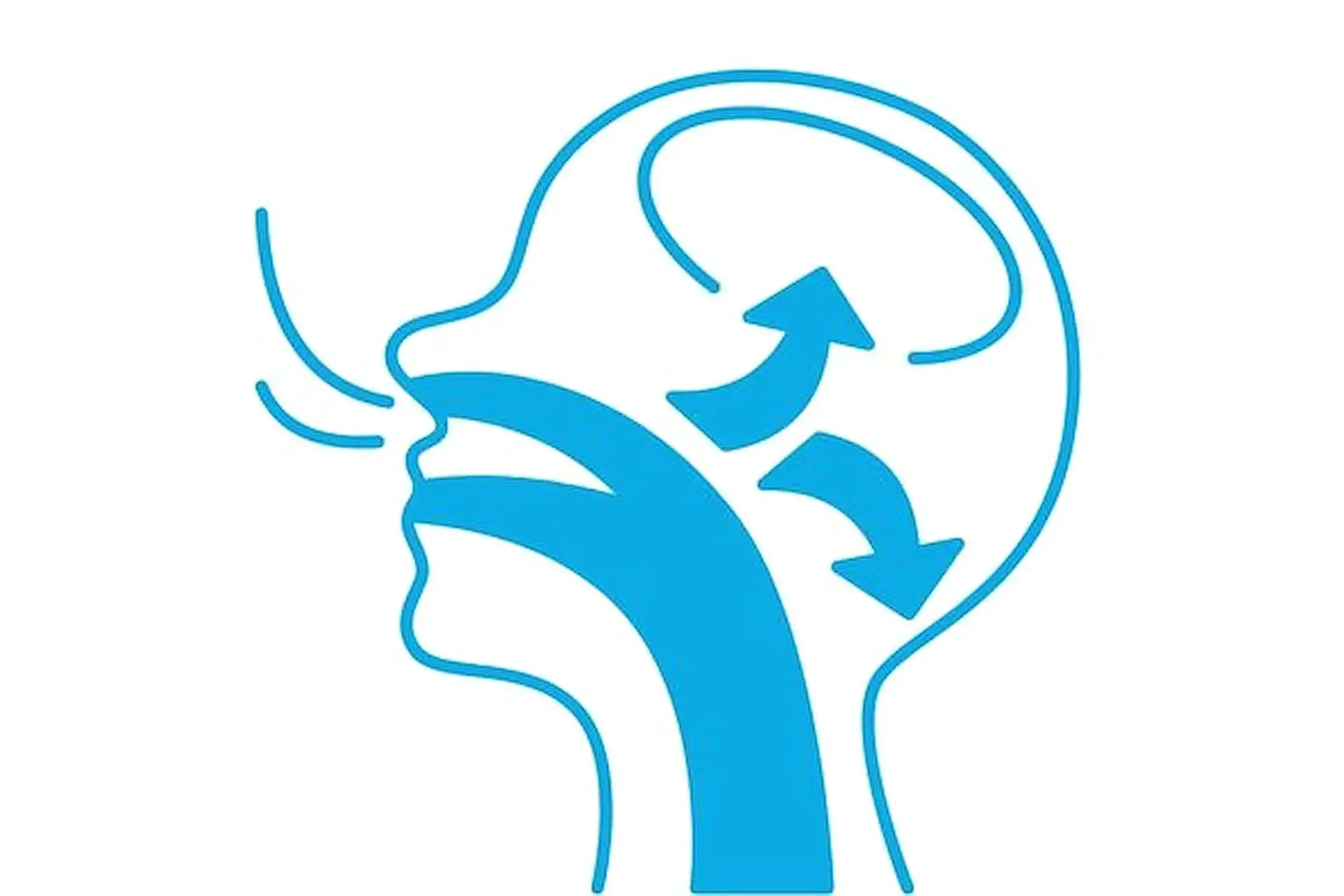
Effects of mouth breathing on brain function and cognitive abilities (brain fog)
Mouth breathing can lead poor oxygenation of the blood which can lead to cognitive issues. Many individuals suffer from symptoms such as reduced concentration and mental exhaustion. These obstacles can hinder daily tasks, highlighting the need to address mouth breathing to improve mental function and overall health.

Impact of mouth breathing on oral health and bad breath
Many individuals experience dental issues and bad breath as a result of mouth breathing. Decreased saliva flow due to mouth breathing can create an environment that promotes the growth of harmful bacteria. Consequently, this can increase the risk of cavities and gum disease.
Health Risks Associated with Mouth Breathing
Both adults and children who breathe through their mouths are at a higher risk of respiratory infections, including sinusitis, colds, and influenza. This occurs because mouth breathing skips the nasal cavity’s built-in filtering mechanisms, enabling pathogens to enter the lungs more freely. Nasal congestion and obstruction can further compounding the problem by making it harder to breathe through the nose.
For young children, the effects of mouth breathing can be especially pronounced. Prolonged mouth breathing in kids can result in irregular facial and dental development, disrupted sleep patterns, and behavioral challenges, highlighting the need to tackle this problem promptly. Mouth breathing can associated with a long face pattern and open bite tendency.


Improving Your Breathing and Health with Airway Orthodontics
At Paige Orthodontics, we employ cutting-edge technology to examine airway structures and create detailed treatment plans. This innovative method enables us to tackle both respiratory problems and orthodontic issues concurrently, ensuring the best outcomes for our patients. In growing children, it is possible to expand the nasal and oral airways to make it easier to breath during the day and night.